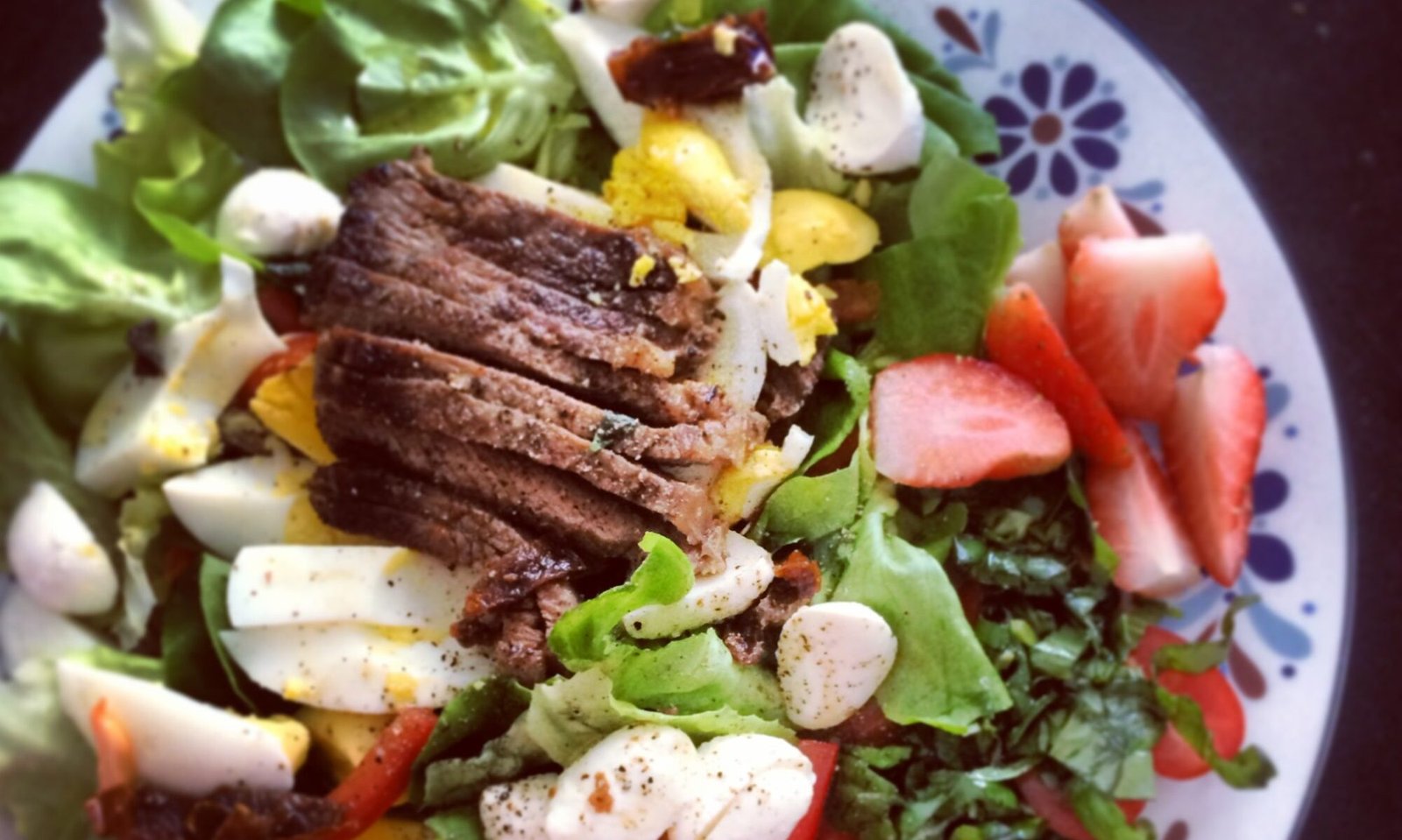

What foods to eat to provide energy, when to eat certain food, how to fuel before and during training/events, when and what to eat for recovery / to replenish after activity
Nutrition plays an essential role in sports performance of any athlete.
Macronutrients, micronutrients, fluid/electrolytes intake, recovery process, meal planning, nutrient supplements, weight management are all important aspects to consider to optimize sports performance.
In this article I will touch only the energy and macronutrients requirements for youth athletes.
ENERGY REQUIREMENTS (Caloric Needs)
Adequate energy is required to support growth and development needs and the demands of sports activities. The main goal of basic nutrition is to balance energy intake and expenditure to properly fuel training and recovery.
While energy excess results in overweight and obesity, health consequences of energy deficits include:
- Delayed puberty
- Short stature
- Menstrual dysfunction
- Loss of muscle mass
- Increased susceptibility for injury and illness
- Constant fatigue
Minimum energy requirements for boys and girls are similar BEFORE puberty.
For adolescents, they depend on:
- Age
- Activity level
- Growth rate
- Stage of physical maturity
ENERGY EXPENDITURE
- Children use more energy per kg of body weight than adults in sports (less metabolically efficient)
- General rule of thumb:
- 8-10 yrs – add 20-25% to adult values for estimated ENERGY EXPENDITURE
- 11-14 yrs – add 10-15% to adult values of estimated ENERGY EXPENDITURE
Estimated Minimum Energy Requirement (Kcal/day) to make sure proper growth and bodily function
| Age (yrs) | Male | Female |
| 4-6 | 1800 | 1800 |
| 7-10 | 2000 | 2000 |
| 11-14 | 2500 | 2200 |
| 15-18 | 3000 | 2200 |
Additional Energy Requirements needed:
- During growth spurts
- To support sports/activities

MACRONUTRIENTS (carbohydrate, protein, fats)
CARBOHYDRATE
Children (boys and girls ) generally rely more on fat as fuel (due to smaller glycogen storage and possibly conservation of carbohydrates for energy requirements of growth) hence they are well-equipped for aerobic activities. Their anaerobic capacity is highly dependent on maturation status.
The difference in substrate utilisation during exercise may exist till mid to late puberty and tends to diminish in adolescents, especially in boys.
Children tend to oxidize relatively more exogenous carbohydrate during exercise compared to adults despite their lower whole body rate of carbohydrate oxidation and higher rate of fat oxidation. Reliance on exogenous CHO oxidation during exercise (as percentage of total energy expenditure) is sensitive to pubertal status (not just chronological age). (It was reported that more total energy expenditure is contributed by exogenous CHO oxidation in pre-pubertal and early pubertal boys compared to mid-to-late pubertal boys).
Efficiency of CHO absorption is lower in children under 5 – gradually increases with age. Similar to adults, rate of absorption of CHO varies depending on ratio of glucose to fructose in drinks. Intestinal absorption of CHO shows no difference between children and adults at rest or during exercise. The higher % of exogenous CHO oxidation during exercise in children may be due to higher intensity and greater energy expenditure during exercise in adults.
In boys (but not found in girls), the ability of exercising muscles to oxidise endogenous glycogen as an energy substrate may contribute to reliance on exogenous CHO.
Pre-pubescent children may have a reduced dietary carbohydrate requirement.
Once they get to adolescence, puberty hormones (growth hormone, insulin-like growth factor, sex hormones, catecholamines – adrenaline/noradrenaline) play an important role in energy metabolism.
(Jeukendrup, Cronin, 2011)
Recommended intake for adolescent athletes: very similar to adults is very dependent on type, duration and intensity of exercise sessions.
Before events: Although carbohydrate loading is generally recommended for adults, it is not advised for children mostly due to shorter events and limited glycolytic capacity mentioned above.
During events:
- Carbohydrate ingestion (6%) has been shown to increase performance in intermittent, high intensity exercise and increase explosive strength and speed, and shooting skill performance in a basketball test (in adolescent boys)
- Carbohydrate ingestion enhances endurance exercise performance (cycling time)
- Reduced perceived exertion by 1-2 points in RPE scale (boys 13-19yrs in a cycle test 60% VO2 max)
Carbohydrate ingestion during exercise may alter substrate used by sparing endogenous glucose utilization in boys and decreased fat utilization of total energy expenditure.
It is important to note that both insulin sensitivity and substrate utilisation during exercise are affected by training. No studies have been done on elite youth athletes which may have different metabolic behaviours.
Good sources of carbohydrates: whole grains, vegetables, fruits, milk, yogurt
| Activity | CHO intake (g/kg/day) |
| Immediate recovery after exercise | 1-1.2g/kg |
| Minimal physical activity | 2-3 |
| Light exercise (3-5hrs/week) | 4-5 |
| Moderate duration and intensity (10hrs/week) with daily recovery | 5-7 |
| Moderate to heavy endurance training (20+hrs/week) with daily recovery | 7-12 |
| Extreme program (4-6+hr/day) | 10-12 |
(Jeukendrup A. 2010)
PROTEIN
Protein is essential to support development and growth. Children and adolescents have a relatively higher protein requirements compared to adults. The Recommended Daily Allowance (RDA) for the general population are generally too low for athletes.
Recommended intake for adolescent athletes: 1.3-1.8g/kg/day, to be spread throughout the day.
Good sources of carbohydrates: lean meat, poultry, fish, dairy products, legumes, nuts.
RDA for protein
| Gender and age | RDA USA/Canada g/kg/day | |
| Male/Female | 1-3yrs | 1.05 |
| 4-8yrs | 0.95 | |
| 9-13yrs | 0.95 | |
| 14-18yrs | 0.85 | |
| 19-30yrs | 0.8 | |
(Jeukendrup, Cronin, 2011)
FATS
Role of fats:
- Provide essential fatty acids (DHA/EPA) – important for growth and development
- Absorb fat-soluble vitamins (A,D,E,K)
- Protect vital organs
- Provide insulation
- Provides satiety
Total fat intake recommendation is highly dependent on energy expenditure. General recommendation: 25-30% of energy intake should come from dietary fat.
Link of fat to performance is still not clear.
Good sources of fats: lean meats, poultry, fatty fish, dairy products, nuts, olive oils, avocado.
You must be logged in to post a comment.