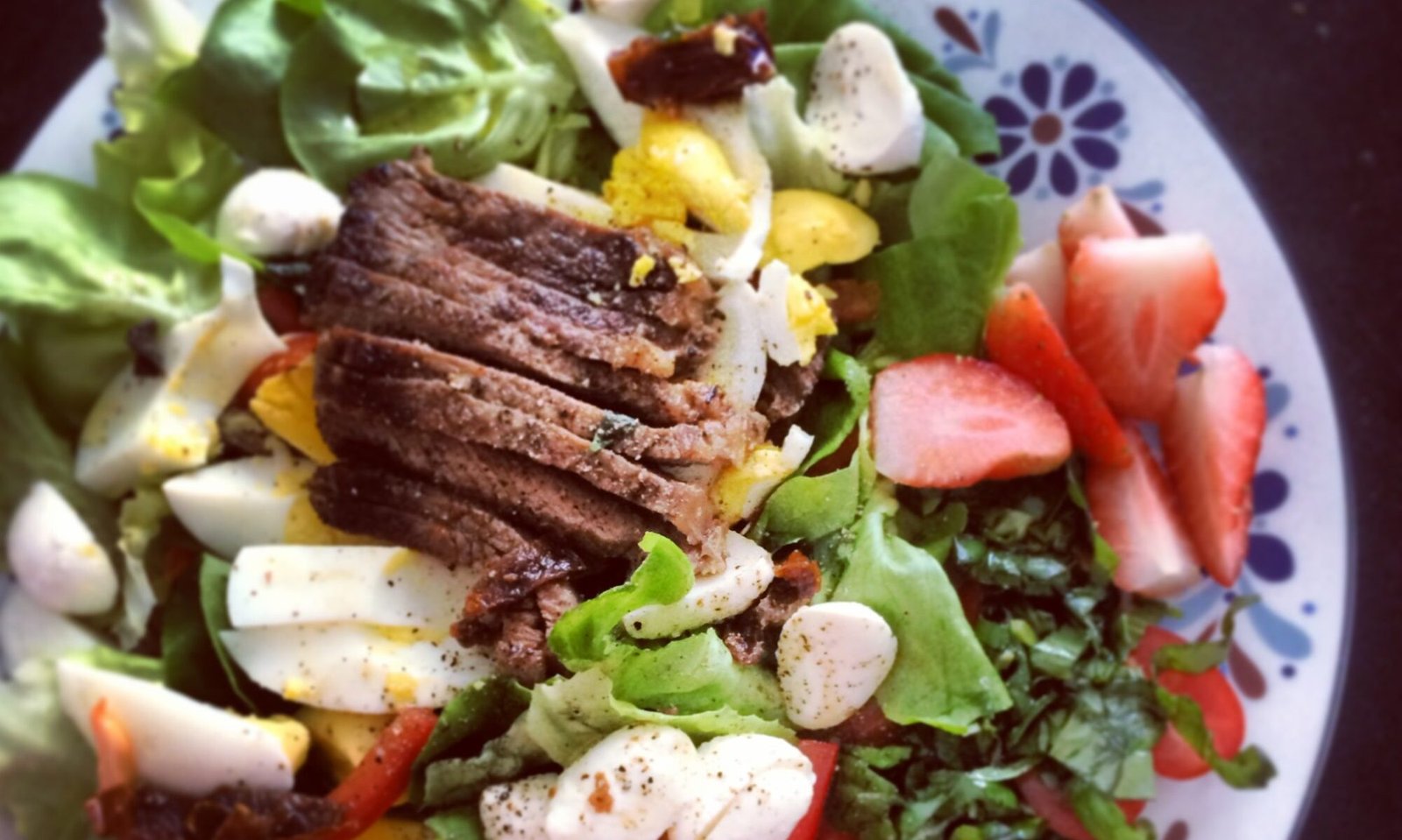

Dietary iron is available in two forms: haeme iron mainly found in meat, poultry and fish and non-haeme mainly from plants and dairy products. Iron forms and individual’s iron nutritional status influences iron absorption in the body. Haeme iron is more readily absorbed while non-haeme iron’s absorption is strongly influenced by dietary factors.
Phytates (antioxidant compound found in legumes) and tannins (polyphenols in tea, coffee, read and white wine) are known inhibitors while vitamin C and acids are enhancers (Higdon et al 2009; Killip et al 2008). Efficiency of absorption in human’s varies between 5-15%
Most of our daily requirement of iron comes from the recycling of red blood cells, however at least 1-2mg of iron needs to be absorbed from diet to compensate for losses through bleeding, perspiration, epithelial (surface cell) sloughing.
Some of functions of Iron:
- Transport of oxygen from the lungs to the rest of the body and within muscle cells, as part of haeme in haemoglobin and myoglobin.
- Production of energy (ATP) in the electron transport chain, as cofactor in cytochrome
- Detoxification process in liver, as cofactor in cytochrome
- Antioxidant function, contained in catalase and peroxidase, antioxidant enzymes
- Pro-oxidant function
- DNA synthesis, as iron-dependent enzyme required in DNA synthesis
- Regulation of intracellular iron, as part of proteins used in cells to adjust iron levels
- As a cofactor in a critical enzyme for dopamine synthesis
- Immune resistance
- Regulating cell growth including skin and nail formation
Recommended Daily Intake:
- 0-5yrs: 6mg/day
- 5-13yrs: 8-10mg/day
- 14-18yrs: 11-15mg/day – girls on higher end
- Men: 8mg/day
- Women: 18mg/day
- Prenatal: 10-20mg/day
- Pregnancy and lactation: 30mg/day
- Iron requirement can be up to 30% higher in athletes
| Increased Intakes |
Decreased Intakes |
|---|---|
| Growing infants and children Menstruating women Pregnancy Lactation Training in high altitude |
Low socioeconomic status Vegetarian diets Poor intake/lack of balanced diet Alcoholism lderly Disadvantaged populations (refugees, indigenous Australians) |
| Excessive loss | Decreased absorption |
| Menorrhagia GI bleeding Regular blood donors Post-operative patients with significant blood loss hematuria Extreme physical exercise (endurance athletes) |
Dietary factors (tannins, phytates, calcium in milk, tea, coffee, carbonated drinks) Upper GI Pathology: chronic gastritis, gastric lymphoma, celiac disease, crohn’s diseaseGastrectomy or intestinal bypass Duodenal pathology Chronic renal failure patients Medications (regular aspirin or other NSAID usage – leading to GI bleeding) |
Table 2. Causes for Iron Deficiency and Iron Deficiency Anemia (The Clinical Practice Guidelines 2010; GESA 2008)

Some Iron Sources:
| Food | Serving | Iron Content |
|---|---|---|
| Beef | 85gr, cooked | 2.32 mg |
| Chicken, dark meat | 85gr, cooked | 1.13 mg |
| Tuna, light | 85gr, canned | 1.30 mg |
| Oysters | 6 medium |
5.04 mg |
| Tofu, firm |
1/3 cup | 2.15 mg |
| Spinach |
1 cup |
6.43 mg |
| Bok Choy | 1 cup | 1.77 mg |
| Asparagus |
1 cup | 1.64 mg |
| Romaine Lettuce | 2 cups |
0.91 mg |
| Swiss Chard | 1 cup | 3.96 mg |
| Kale | 1 cup | 1.17 mg |
| Broccoli | 1 cup | 1.05 mg |
| Green Beans | 1 cup | 0.81 mg |
| Green Peas | 1 cup | 2.12 mg |
| Brussels Sprouts | 1 cup | 1,87 mg |
| Cabbage | 1 cup | 0.99 mg |
| Garbanzo beans | 1 cup | 4.74 mg |
| Lima beans | 1 cup | 4.49 mg |
| Lentils | 1/2 cup, cooked |
3.30 mg |
| Kidney beans | 1/2 cup, cooked | 1.97 mg |
| Black beans | 1 cup | 3.61 mg |
| Pumpkin seeds | 1/4 cup | 2.84 mg |
| Raisins |
30gr | 0.5 mg |
| Dried apricot | 30gr | 0.9 mg |
| Cashew nuts | 30gr | 1.9 mg |
Some important nutrient interactions:
- Copper is required for normal iron metabolism and red blood cell formation. Copper deficiency is often found in anemia.
- High doses of zinc supplementation together with high doses of iron supplement may inhibit zinc absorption when taken on an empty stomach. It does not seem to have similar effect when taken with food.
- Calcium and iron supplements should not be taken together. Calcium has been shown to decrease absorption of haeme and non-haeme iron in a single meal.
Do I need Iron supplement as an athlete?
Unless you have been diagnosed with iron deficiency by your doctor, taking iron supplement is not recommended. A full Iron Panel Blood Testing is necessary before iron deficiency can be diagnosed.
Recommendations for athletes:
- Monitor fatigue level. If you experience chronic fatigue and are showing the symptoms of iron deficiency, consult your doctor to do a full Iron Panel Blood Test.
- Be conscious of consuming iron-rich foods.
- If you frequently consume coffee/tea with your meals, note that absorption of iron may be reduced even if you are consuming an iron-rich meal.
- Consume vitamin C sources with your iron-rich foods.
- If you are a vegetarian/vegan, you will need to consume more than the daily recommended amount – as non-haeme iron absorption is less than haeme iron.
- If you are training at high altitude, your iron requirement will be higher.
- Female athletes should monitor their iron level regularly. Consume more iron-rich foods during your menstrual cycle.
Iron Deficiency vs Iron-deficiency Anemia (IDA)
Iron deficiency begins when iron needs are inadequately met as more iron is being lost than absorbed. It develops gradually with minimal symptoms until inadequate iron is available to support erythrocytes formation, leading to iron-deficiency anemia (IDA). Fewer erythrocytes are formed, they become smaller in size (microcytic) with decreased haemoglobin content (hypochromic) reducing their oxygen-carrying capacity. Diagnosis of IDA requires evidence that total body iron is reduced to the point where iron stores are fully depleted and tissue iron deficiency exists (Cook 2005). Vitamin A deficiency may exacerbate Iron deficiency anemia.
The most common symptom of any anemia is chronic fatigue. Pallor, rapid heart rate, palpitations are symptoms compensating for decreased tissue oxygen delivery. Development of pica is unique to IDA while other clinical features: koilonychia, glossitis and dysphagia are seldom seen in modern clinical practice (Killip et al 2008). The only definitive test for IDA is by showing laboratory evidence of iron deficiency including “a complete blood cell count, peripheral smear, reticulocyte count and serum iron indices” (Johnson-Wimbley & Graham 2011).
Cook (2005) classified causes of IDA into two major categories: physiological and pathological. Physiological causes include nutritional iron deficiency due increased requirements (rapid growth, menstrual blood loss, extreme exercise) and/or decreased intake (low diet bioavailability). Pathological causes are due to malabsorption syndromes or pathological excessive blood loss as in gastrointestinal bleeding.
| Common | Others | Severe IDA |
|---|---|---|
| fatigue,feeling weak, tired pallor rapid heart rate palpitation rapid breathing on exertion difficulty maintaining body temperature/cold hands and feet decreased concentration capacity |
brittle, spoon-shaped nails (koilonychia) sores at corners of mouth sore tongue (glossitis) taste bud atrophypica: consumption of non-food item (ice, dirt, paint) susceptibility to infection |
difficulty in swallowing (dysphagia) |
Table 1. Symptoms for Iron Deficiency and Iron Deficiency Anemia (GESA 2008; Higdon et al 2009)
References
Cook JD, 2005, ‘Diagnosis and management of iron-deficiency anaemia’ Best Practice & Research Clinical Haemotology vol 18 no 2, pp319-32.
Gastroenterological Society of Australia (GESA), 2008, ‘Iron Deficiency’, Australia, viewed on 10 November 2010, < http://www.gesa.org.au/files/editor_upload/File/Professional/Iron_def.pdf>.
Higdon J, Drake VJ, Wessling-Resnick M, 2009, ‘Micronutrient Information Center – Iron’, Linus Pauling Institute, Oregon, USA, viewed 10 November 2014, <http://lpi.oregonstate.edu/infocenter/minerals/iron/>.
Johnson-Wimbley TD, Graham DY, 2011, ‘Diagnosis and management of iron deficiency anemia in the 21st century’ Therapeutic Advances in Gastroenterology, vol 4 no 3, May, pp.177-84, doi:10.1177/1756283X11398736.
Killip S, Bennett JM, Chambers MD, 2008, ‘Iron deficiency anemia’ American Family Physician, vol 75 no 5, March, pp.671-8.
The Clinical Practice Guidelines, 2010, ‘Iron Deficiency – Investigation and Management’, Ministry of Health British Columbia, viewed on 10 November 2014, <http://www.bcguidelines.ca/pdf/iron_deficiency.pdf>


You must be logged in to post a comment.