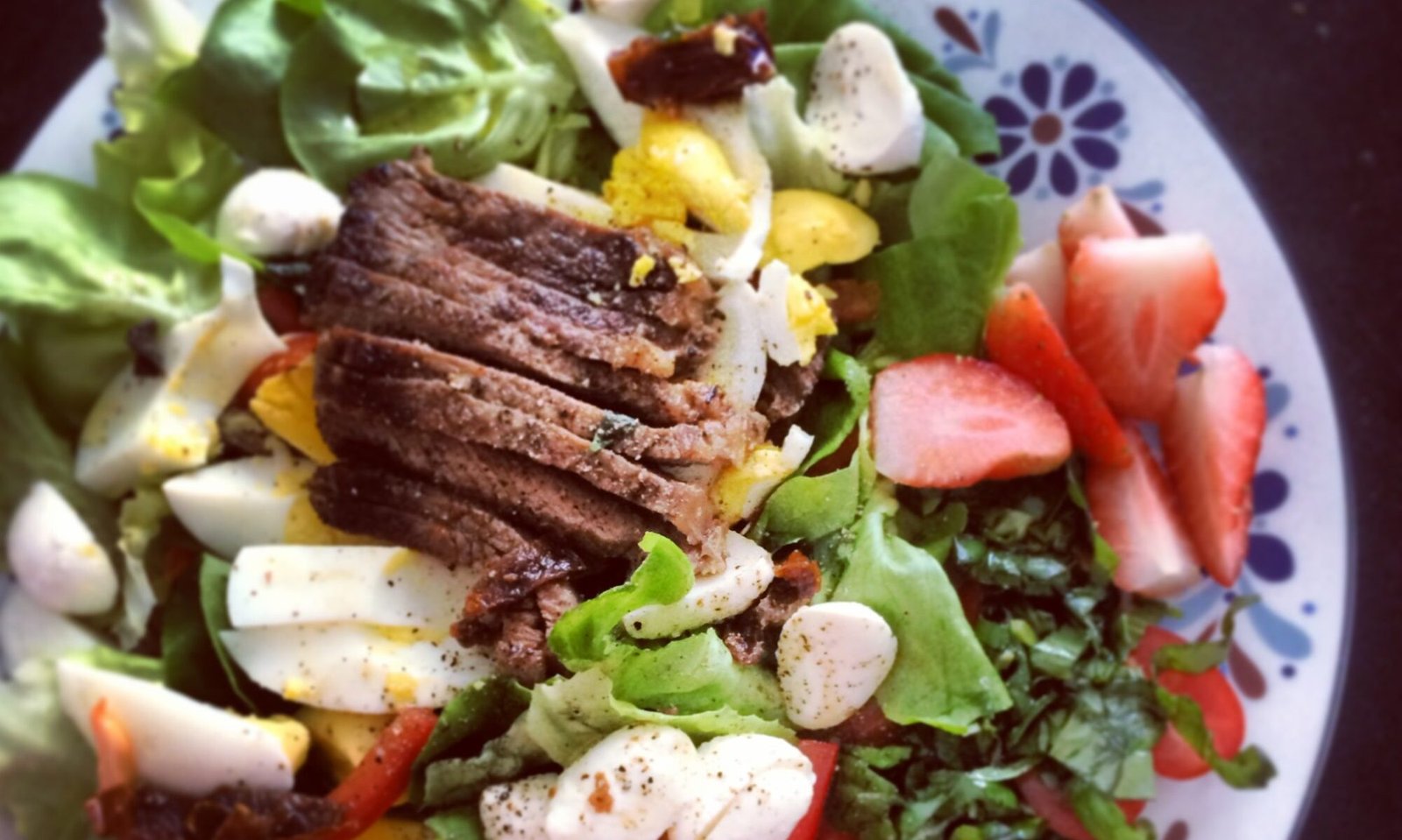
Anti-Inflammatory Diet

Inflammation in the body occurs as a natural response of the immune system as a reaction to injury or infection and to fight germs, characterized by redness, swelling, heat and pain. When inflammation becomes chronic, it may lead to various health problems including cancers, autoimmune diseases (rheumatoid arthritis, lupus), atherosclerosis, hepatitis and many others.

Although genetic, stress, environmental exposure to chemicals and toxins play a role in the regulation of inflammation in the body, dietary choices also have a big role in the way our bodies response and regulate inflammation processes.

Anti-inflammatory diet is a balanced diet based on whole, nutrient-dense foods high in antioxidants and anti-inflammatory foods and low in pro-inflammatory foods that with the goal to maintain optimum health.
Continue reading “Anti-Inflammatory Diet”

Green tea as weight loss supplement?

Green tea has been marketed as an herbal supplement for weight loss, however its potential benefits have been controversial. Green tea catechins (GTC), especially Epigallocatechin-3-gallate (EGCG), the most abundant catechins in green tea, are polyphenol compounds that have been the subject of a number of studies on the hypothesis that they may increase energy expenditure via thermogenesis effect, inhibit appetite, reduce nutrient absorption and increase fat oxidation. 

The sympathetic nervous system (SNS) plays an important role in energy expenditure regulation and lipolysis. Its activities are influenced by the concentration of norepinephrine(NE) in the body. GTC inhibits the action of COMT enzyme which degrades NE, as so does caffeine, which is also present in green tea. 

It is plausible that GTC and caffeine work synergistically in increasing energy expenditure shown in most acute and long term studies, while EGCG/GTC alone failed to elicit the same effect.
More favourable results on GTC’s effects on energy expenditure have been found in Asian population versus Caucasian, possibly due to genetic variability in enzyme activity. 

Continue reading “Green tea as weight loss supplement?”

Epidemiology Studies of Mediterranean Diet

In his famous Seven Countries Studies in 1958-1964, an American Scientist Ancel Keys observed a lower percentage of people having a Coronary Heart Disease(CHD) in the Southern Italy (Overview:The Seven Countries Study in Brief, 2013). Hence, the term Mediterranean Diet was coined to refer to the characteristic of foods eaten by the people of the Mediterranean region in the 1950’s.

The diet started to gain popularity in 1990s when Dr.Walter Willett of Harvard University’s School of Public Health introduced the “Mediterranean diet pyramid” as a “cultural model for healthy eating” (Willett et al, 1995).
Continue reading “Epidemiology Studies of Mediterranean Diet”